
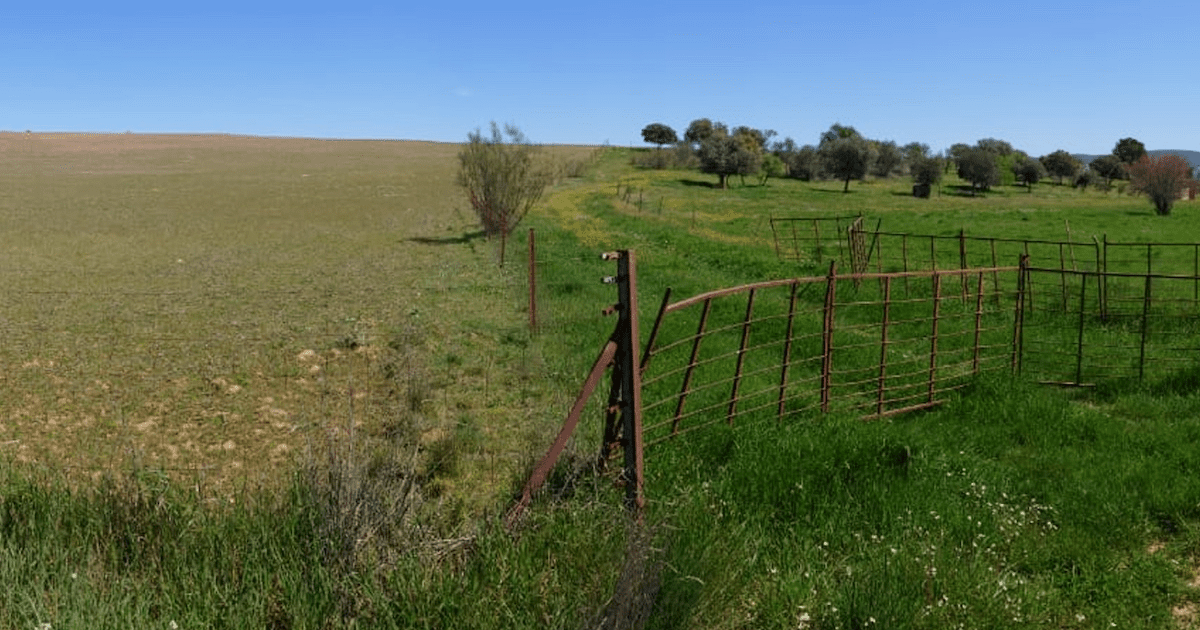
.avif)
Something truly sustainable and resilient. Through environmental initiatives, we explore every paradigm shift that focuses on regenerating ecosystems.
Overview of the current agri-food landscape
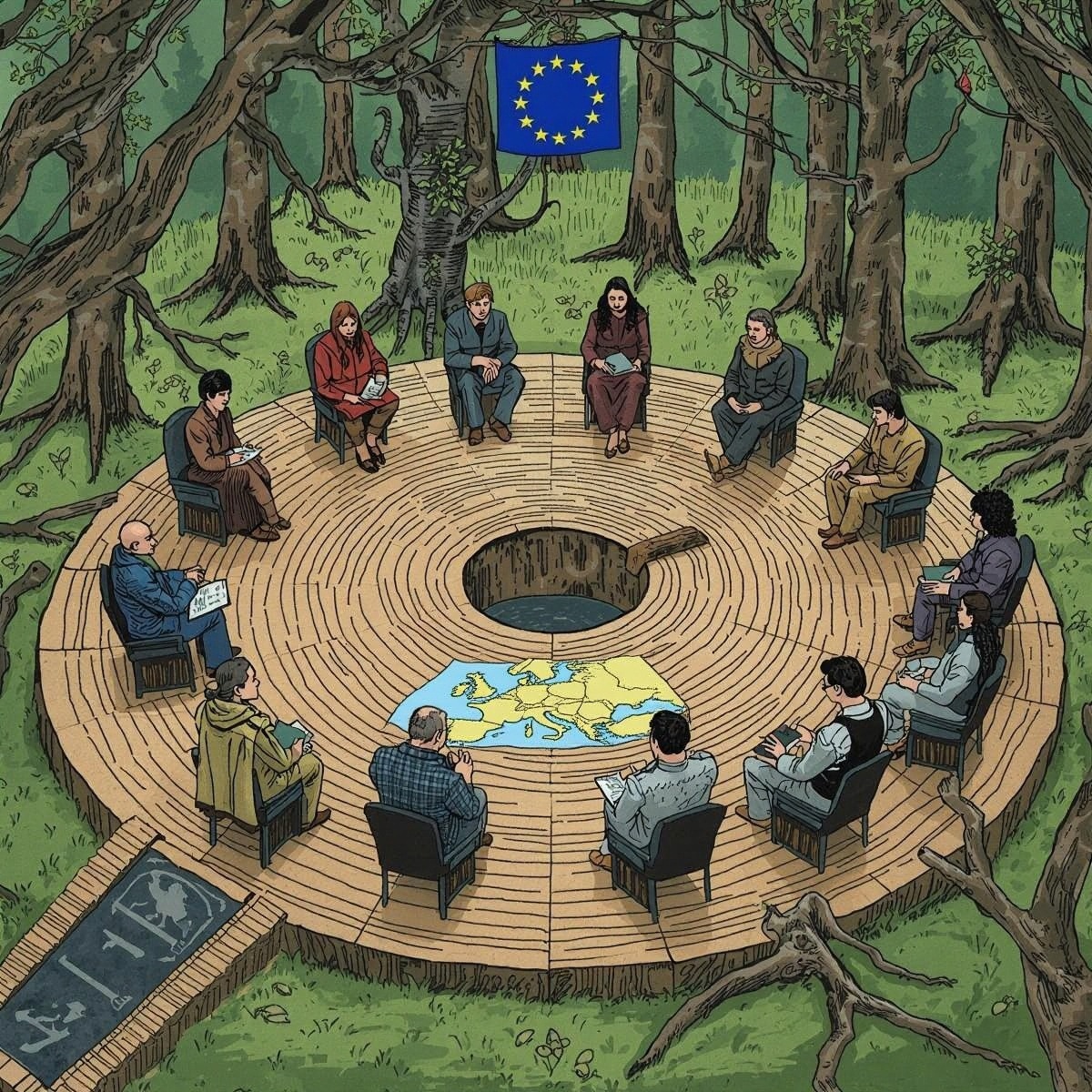
There is an agreement between the European Union and Morocco that allows preferential access for many of its agri-food products to the European market. Spain, as the natural gateway, receives a large portion of these goods. While the production seasons for fruits and vegetables (especially in the south of the peninsula) often overlap, they also complement each other: many multinational companies based in Spain source products from Morocco to maintain constant supply flows. However, this overlap—this competition where Morocco is significantly outperforming Spain—is considered by many to be quite unfair, particularly regarding labor costs, labor and environmental regulations, and water usage.
Thanks to complaints from farmers (through professional organizations such as COAG, ASAJA, UPA and cooperatives), the government has conveyed the sector's concerns to the European Commission, which has responded with measures such as “Mirror clauses,” requiring the same sanitary, phytosanitary, and environmental standards as those imposed on European producers: a logical idea, though we will not debate here whether it is truly being enforced.
Because of this, a fascinating shift has been observed in the Spanish agri-food sector in recent years. The focus is no longer on producing more, but on adding value to the product, producing better and with higher quality, which consequently leads to regenerating our most valuable asset: the soil. Sources: FEPEX, Plataformatierra.
This is the heart of what we know as regenerative agriculture, a model we understand not as a simple set of techniques, but as a comprehensive management philosophy.
Because of this, a fascinating shift has been observed in the Spanish agri-food sector in recent years. The focus is no longer on producing more, but on adding value to the product, producing better and with higher quality, which consequently leads to regenerating our most valuable asset: the soil. Sources: FEPEX, Plataformatierra.
This is the heart of what we know as regenerative agriculture, a model we view not as a simple set of techniques, but as a comprehensive management philosophy.
This is the heart of what we know as regenerative agriculture, a model we view not as a simple set of techniques, but as a comprehensive management philosophy.
What do you mean, no tilling?
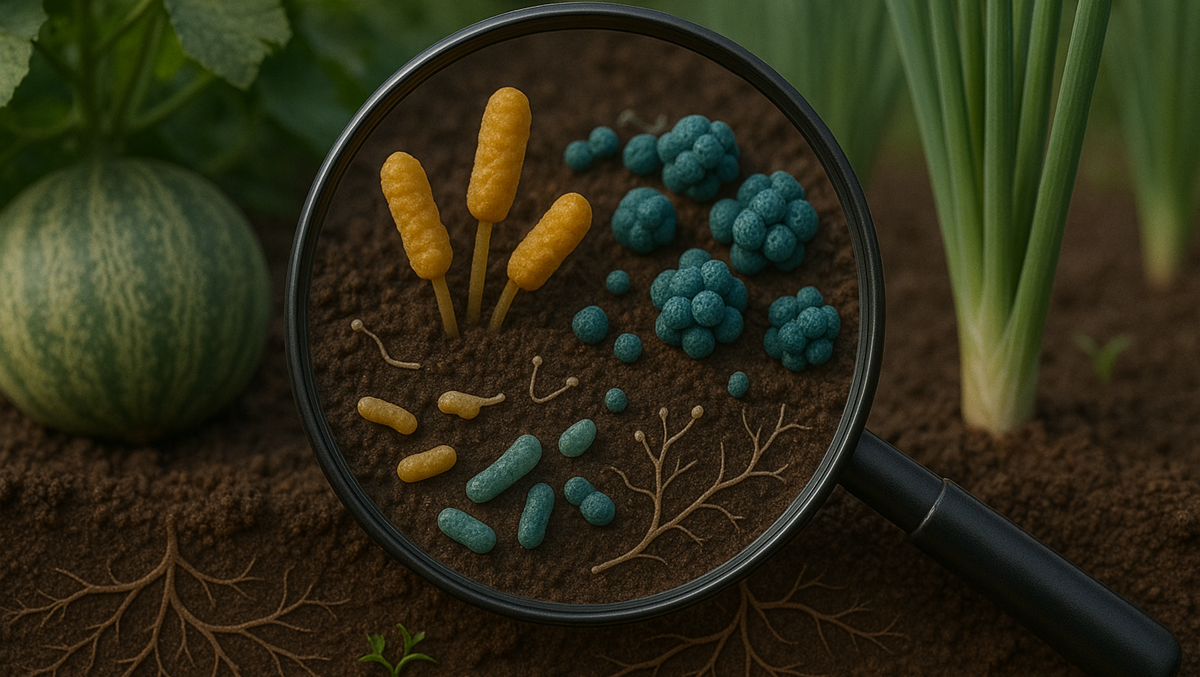
What we mean is that the land is not worked in the way we are accustomed to: we let all the life that lies beneath the soil do the work for us. That’s right, you could say the farmer becomes a rancher of all that micro and macrobiology (plant roots and larger animals like earthworms or small insects that are visible), as well as fungi, which inhabit the subsoil. And there is a lot of “livestock” to manage, it’s true: a single teaspoon of fertile soil can contain more microorganisms than there are people on the planet.
Why is soil the true protagonist?

Traditionally, agriculture has focused on the plant, feeding it directly with fertilizers, protecting it with phytosanitary products, and measuring success by yield per hectare. However, our experience in ecosystem assessment (so much so that we have a dedicated blog section just for assessments) shows us that this approach often weakens the system in the long term, leading to erosion, loss of biodiversity, and dependence on external inputs.
Regenerative agriculture flips this perspective:
- The plant is a consequence, not the sole objective: healthy soil, by definition, nourishes healthy plants.
- Soil is a living ecosystem, not an inert substrate: its biodiversity (bacteria, fungi, nematodes, etc.) is what truly cycles nutrients, structures the soil, retains water, and fights pathogens.
- The ultimate goal is to increase organic matter and life in the soil.
Other techniques for a regenerative system
The real power of regenerative agriculture lies not in applying an isolated technique, but in combining them synergistically.
In this post, we have focused on No-till farming(if you want more detailed information on this technique, it is easier to find it in English). However, there are other key practices that we will only mention here, as they deserve their own deep dives:
- Use of cover crops and mulches.
- Diversification and complex rotations.
- Livestock integration: techniques such as Voisin Rational Grazing come into play, where grazing time and land rest periods are managed to regenerate pasture and soil, achieving more forage per hectare without the use of fertilizers; or Holistic Management, inspired by Voisin grazing and created by Allan Savory, which considers a complete management system (farm, family, and ecosystem).
It is interesting to highlight other techniques such as Regenerative Grazing in photovoltaic plants. - Use of an Agroforestry system: this involves integrating trees and shrubs into agricultural and livestock systems. The best-known example is the Silvopasture system, where the tree provides shade and forage for the livestock, and the livestock, in turn, fertilizes the land with their manure. We have a section dedicated to the world of agroforestry, where there are posts as interesting as “controlling the pine processionary moth using bats”
- Use of “Living Fences”: these are strips or lines of vegetation composed of one or more species of trees, shrubs, and sometimes herbs. They are exceptional ecological corridors. We have posts regarding this topic: “Landscape ecology, connectivity, and fragmentation” and “The importance of ecological connectivity or landscape connectivity”
- Microbial Inoculation (local) and Biofertilizers
- Pest management prioritizing biological or mechanical methods.
Conclusion
Regenerative agriculture is not a trend; it is an example of an evolutionary necessity for the sector. It represents a tangible path toward food systems that do not just extract resources, but rather restore life, fertility, and resilience to the land.
The future of agriculture depends on understanding and enhancing this invisible world beneath our feet. For this reason, Ideas Medioambientales will continue its development with a keen eye on the horizon.
Suggestions:
If you want to learn more about regenerative agriculture, you don't have to stop at our blog. We recommend checking out the educational content offered by channels such as: “La tanina” and “Theregenacademy”, among many others we encourage you to explore.
.jpeg)
.avif)

.jpeg)


